Screening clients isn’t just a safety habit-it’s a survival skill. Whether you’re a freelance provider, a wellness professional, or someone offering personal services, knowing who you’re meeting can mean the difference between a smooth interaction and a dangerous one. Too many people assume that professionalism alone is enough to keep them safe. It’s not. Real protection comes from preparation, observation, and a few simple checks you can do before every appointment.
Some providers in high-risk environments, like sex workers in dubai, rely on community-driven screening tools and shared databases because they’ve seen what happens when trust replaces caution. You don’t need to be in that world to apply the same principles. The rules are universal: verify, observe, and trust your gut.
Check Their Online Footprint
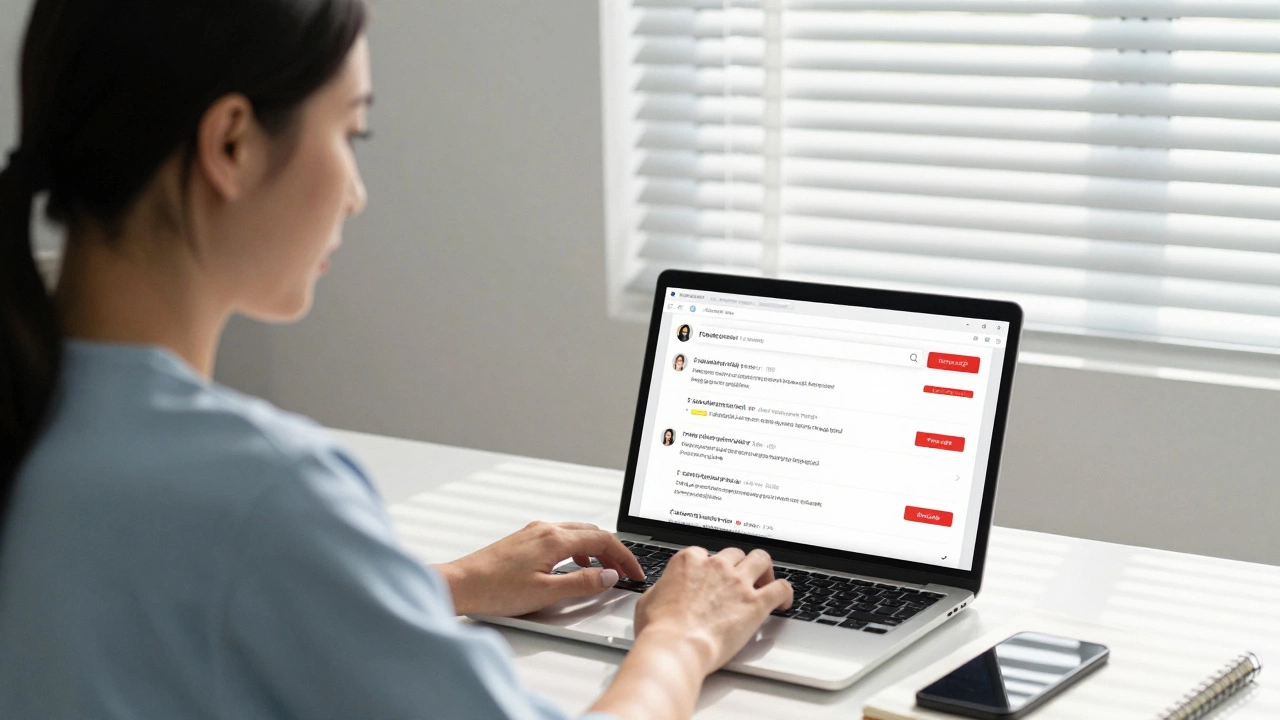
Start with a quick search. Type their name, phone number, or even the email they used to book into Google. Look for public profiles, reviews, or past complaints. Many people use fake names, but if they’ve ever posted under the same alias elsewhere-on forums, social media, or even adultwork dubai-you might find a pattern. Are they consistent? Do they have a history of being respectful? Or do they show up in multiple reports about aggressive behavior or no-shows? Even a single red flag is worth pausing for.
Ask for a Video Call Before Meeting
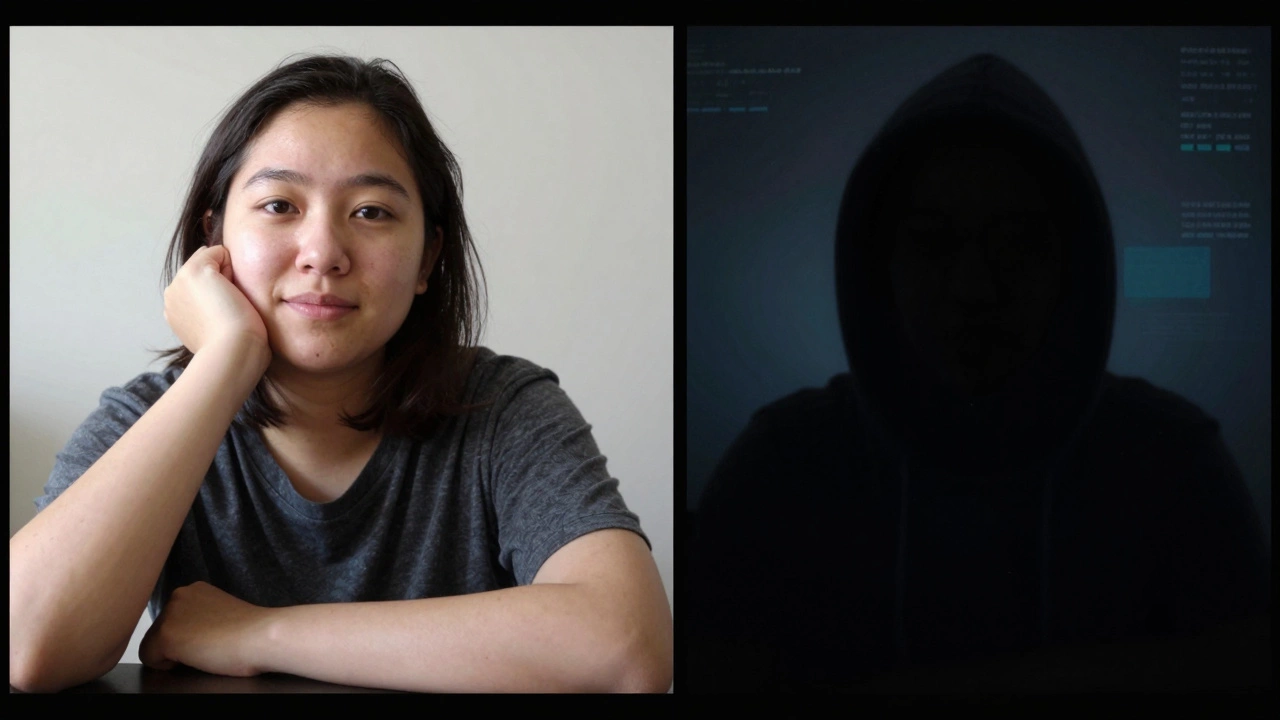
Don’t skip this. A quick 2-minute video call before you agree to meet does more than confirm they’re real. It lets you read their body language, gauge their tone, and notice small inconsistencies. Someone who refuses video, keeps their face hidden, or uses a pre-recorded clip is raising a red flag. Real clients usually don’t mind a quick call. If they push back, say no. You’re not being rude-you’re being smart.
Use a Trusted Third-Party Verification Tool
There are platforms designed specifically for providers to share verified client info. These aren’t just forums-they’re real-time databases updated by users like you. Some require membership, but the cost is far less than the risk of skipping this step. If someone claims they’ve never heard of these tools, that’s not a sign they’re legitimate-it’s a sign they’re avoiding accountability. Don’t let their ignorance become your liability.
Confirm Payment Before Arrival
Never let someone walk into your space without proof of payment. Use apps that lock funds until the service is completed. If they insist on cash only, that’s not a preference-it’s a warning. Cash transactions are harder to trace and easier to use for scams or coercion. Even if you’ve worked with them before, always reconfirm. People change. Circumstances change. Your safety protocol shouldn’t.
Set Clear Boundaries in Writing
Send a short message before the meeting: “I provide X service. I do not do Y. Payment is required upfront. I reserve the right to end the session at any time.” This isn’t cold-it’s professional. If they argue, question, or try to negotiate terms after you’ve sent it, walk away. The right clients respect boundaries. The wrong ones will test them.
Have a Check-In System
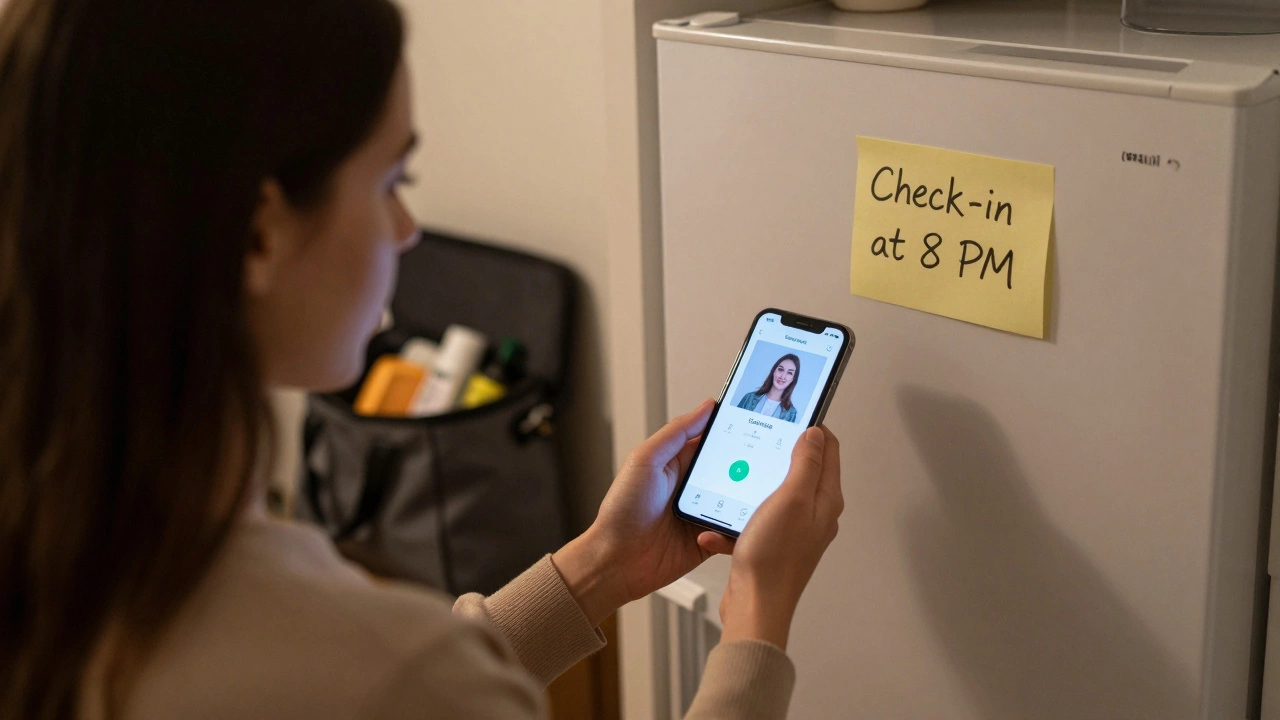
Always tell someone you trust where you’re going, who you’re meeting, and when you expect to be done. Use a timer app to send an automatic alert if you don’t check in. If you’re late or silent past your scheduled time, that person calls the police. This isn’t paranoia. It’s standard practice in industries where isolation is common. Dubai sex workers have used this for years. So can you.
There’s no magic formula for safety. It’s a series of small, consistent actions. The goal isn’t to scare people away-it’s to make sure the ones who stay are the ones who deserve to be there. You’re not asking for permission to protect yourself. You’re exercising a right.
And if you ever feel like you’re being pressured, manipulated, or ignored when you say no-that’s not a client. That’s a predator. Walk out. Block. Report. You’re not alone in this.